Dental care in Colombia · Judgment-free

It's been years.
That's okay.

Whatever kept you away — cost, fear, embarrassment, life — none of it matters now. Get world-class dental work in Colombia for 50–70% less than US prices, from teams who treat long-overdue mouths every single week.

Free, no-pressure conversation. Nobody asks how long it's been.
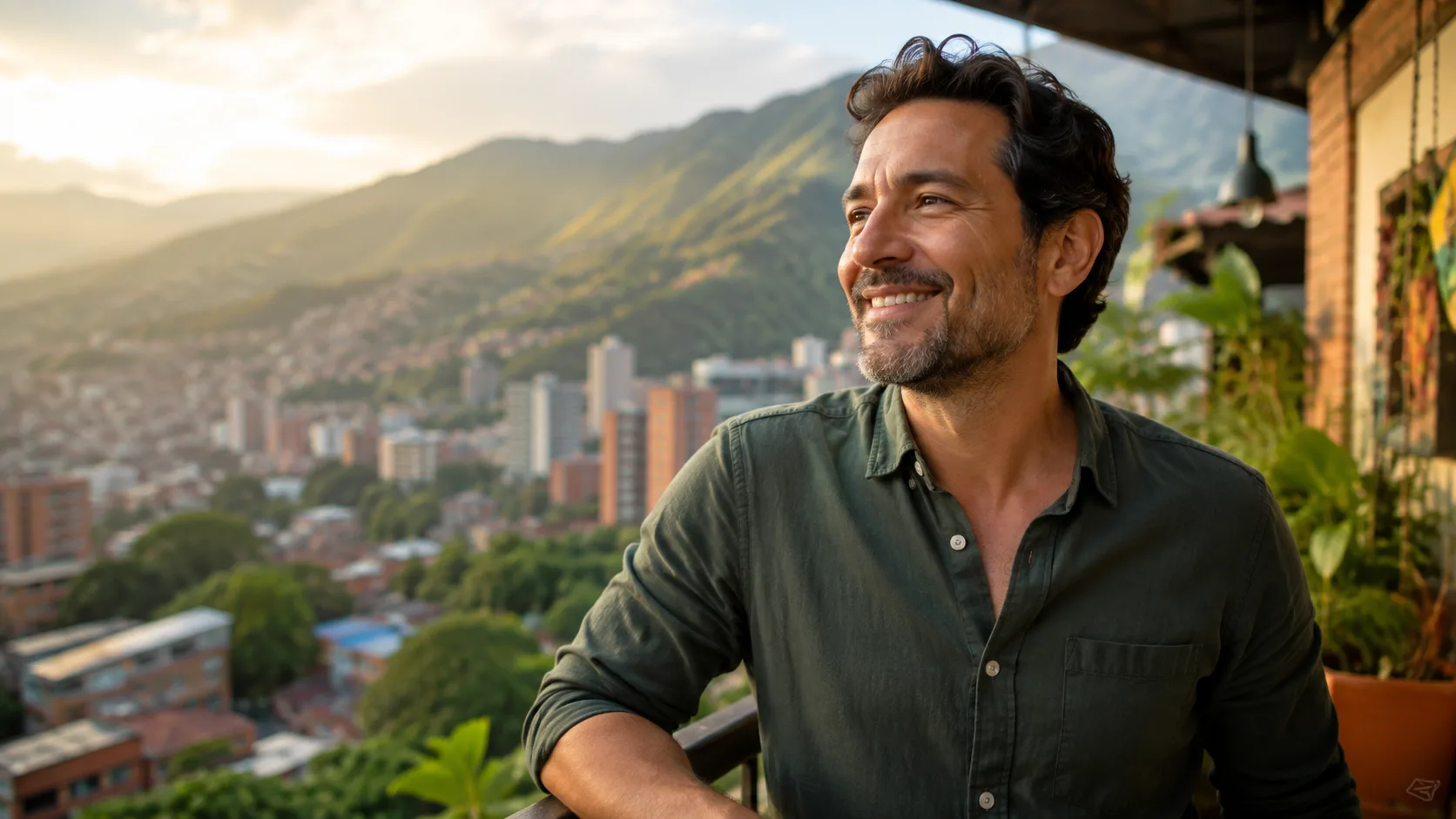
Relaxed man smiling on a sunlit balcony overlooking Medellín's green mountains
Nothing they haven't seen Clinics serving international patients handle advanced cases weekly. Yours won't surprise anyone.
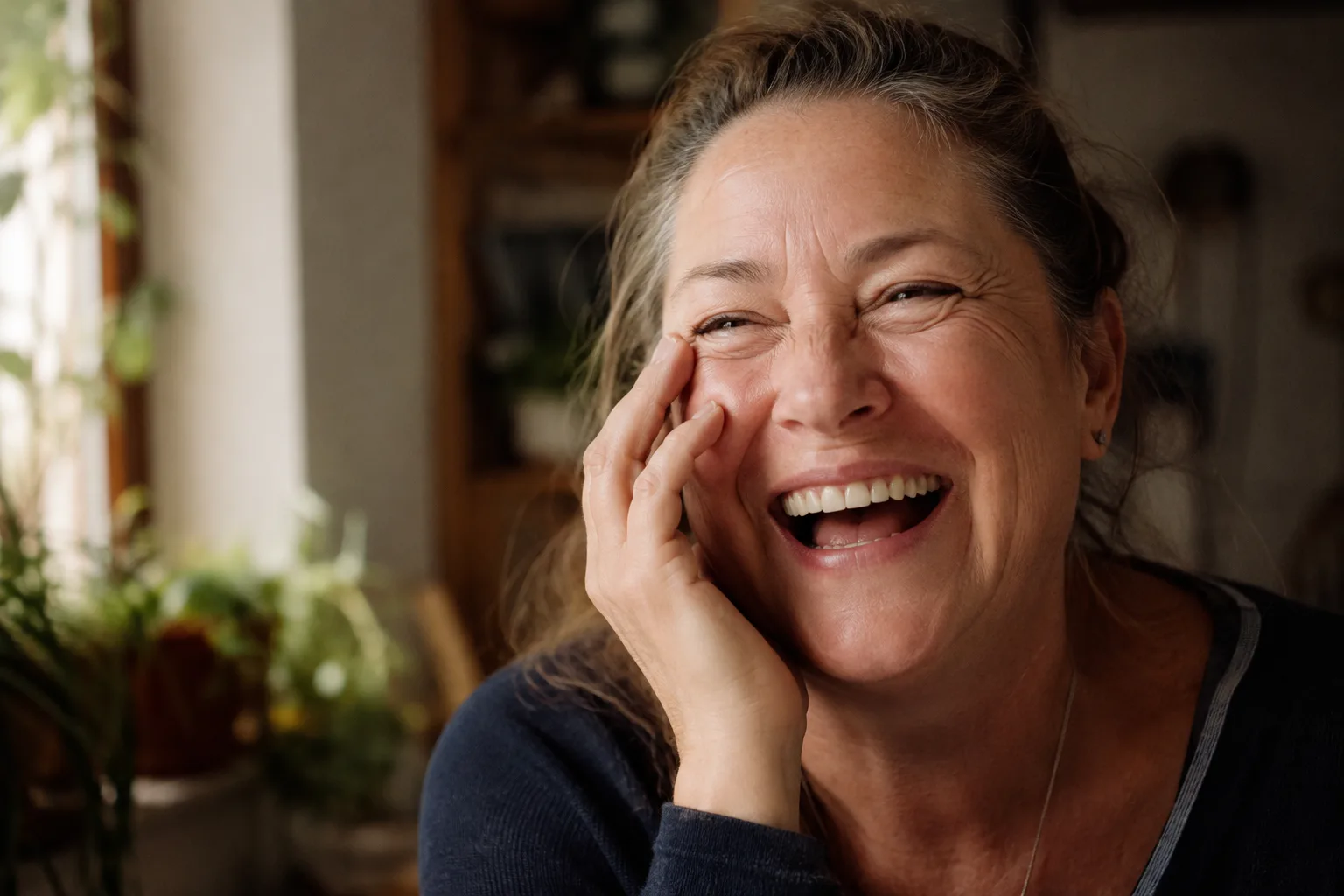
Woman in her fifties laughing openly and unguarded in warm window light

You're not the only one

Millions of people are hiding their smile right now.

Surveys consistently suggest that roughly one in three American adults puts off dental care — most often because of cost, and nearly as often because of fear or embarrassment. Avoidance builds on itself: the longer it's been, the harder it feels to walk into an office and open your mouth.

Here's what changes when you travel for care: you're not walking into your hometown dentist to be recognized. You're a traveler at a clinic that exists to fix exactly this. The distance is the point — and so is the price.

~1 in 3US adults delay dental care, per national surveys
50–70%typical savings on major work in Colombia
0lectures about how long it's been

Full-mouth restoration

However bad you think it is, it's fixable.

Broken teeth. Missing teeth. Decades of postponed everything. Colombian clinics that serve international patients specialize in comprehensive cases — implants, full-arch restoration, crowns, veneers, and the staged treatment plans that rebuild a mouth from wherever it starts.

Colombia's health system was ranked #1 in the Western Hemisphere by the World Health Organization (ranked #22 globally in the WHO's 2000 report), and its major private hospitals hold international accreditations. Dental specialists here commonly train internationally and work with the same implant brands and materials used in the US.

  • Sedation options for anxious patients — ask up front, it's routine
  • Same implant systems and crown materials used in US practices
  • Treatment plans and quotes in writing before you book a flight
  • English-speaking coordinators at clinics serving travelers
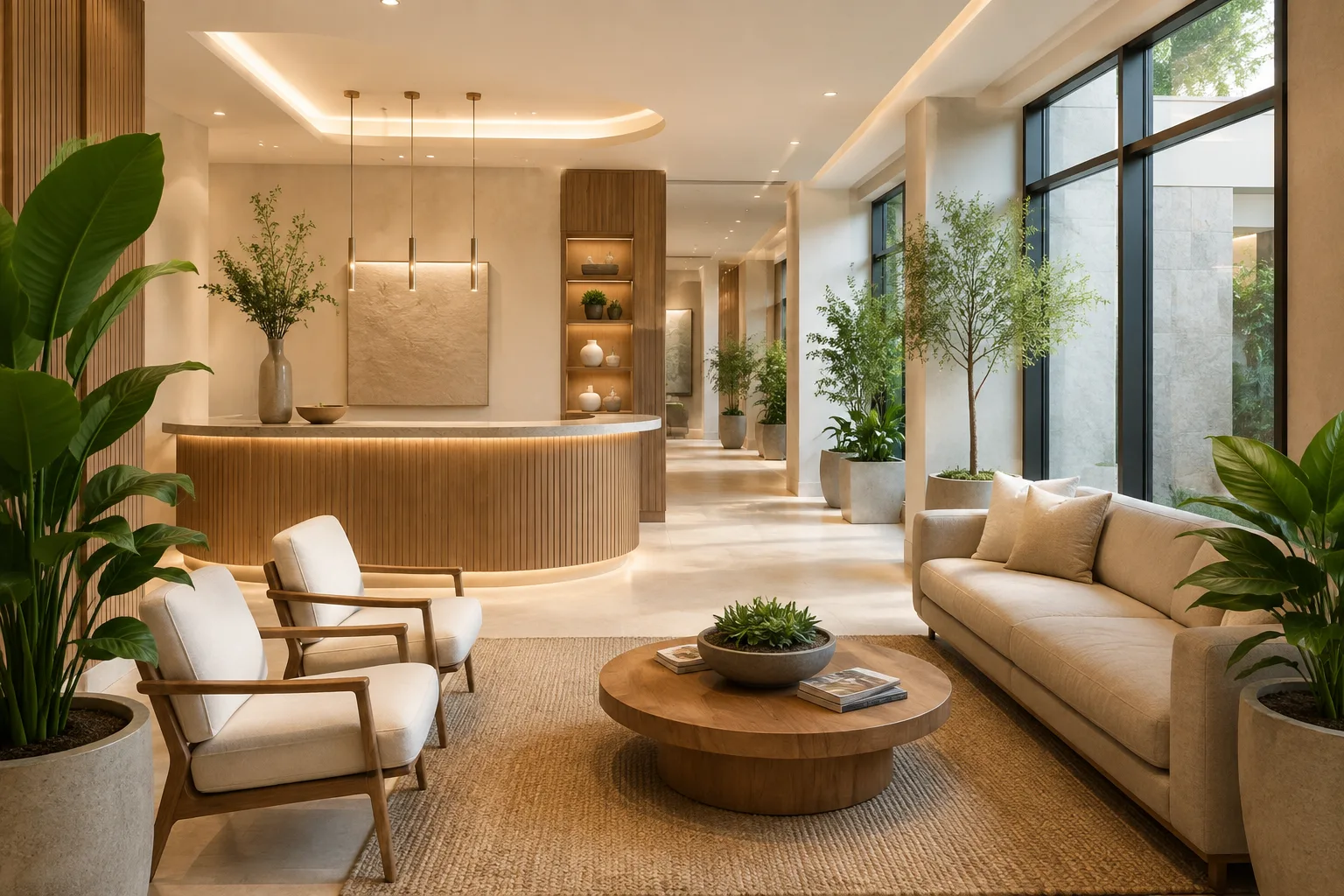
Calm, warm clinic lounge with plants, wood accents, and soft light — no dental equipment in sight

The honest math

What the same work actually costs

Typical 2026 price ranges. The savings are structural — lower operating costs and specialist fees, not cut corners. Your exact quote depends on your case, and you get it in writing before committing to anything.

ProcedureTypical US rangeTypical Colombia range
Single dental implant$3,500 – $6,500$1,100 – $1,800
Full-arch implants (per arch)$20,000 – $30,000$6,500 – $11,000
Full-mouth reconstruction$40,000 – $90,000$14,000 – $28,000
Porcelain veneer (per tooth)$1,200 – $2,500$350 – $600
Root canal + crown$2,500 – $4,500$500 – $900
Deep cleaning (full mouth)$800 – $1,600$150 – $300

Ranges reflect typical 2026 pricing across major US metros and established Colombian clinics serving international patients. Even after flights and a comfortable hotel stay, comprehensive cases commonly save five figures.

How it works

Four steps. The first one is just a conversation.

No forms that ask when your last visit was. No phone calls if you're not ready for one. It starts as a text chat and moves at your pace.

01

Tell us privately

Message us on WhatsApp. Describe what's going on in your own words — or just send photos if that's easier than explaining.

02

Get a real plan

We connect you with an established clinic that reviews your case and returns a written treatment plan and quote — before you spend a dollar on travel.

03

Make the trip

Fly to Colombia. Most restorative cases run 5–10 days per trip; implant cases typically need two visits a few months apart. Recover somewhere warm.

04

Come home smiling

Leave with your records, x-rays, and warranty terms in hand — and a smile you stopped hiding somewhere over the Caribbean.

Traveler walking through a bright airport terminal toward the gates at golden hour
Passport, boarding passes, and a coffee on a warm wooden table in morning light

Honest answers

The questions people are afraid to ask

These are the real ones — the ones that keep people from ever sending the first message. Asked and answered, no sugarcoating.

My teeth are really bad. Will they judge me?

No. This is the question underneath every other question, so here's the straight answer: dentists who work with international patients see advanced cases every single week. Broken teeth, decades of avoidance, full-mouth failure — it's their normal Tuesday. The moment of showing someone is far worse in your head than it is in the chair.

Can I be sedated so I'm not aware of the work?

Yes. Conscious sedation is widely available, and complex full-mouth cases are often done under IV sedation or general anesthesia with an anesthesiologist present. If fear is what kept you away, say so in your first message — sedation planning is a routine part of treatment planning, not a special request.

Is the quality actually as good as the US?

Established Colombian clinics serving international patients use the same implant systems, crown materials, and imaging technology found in US practices, and many specialists train internationally. Colombia's health system was ranked #1 in the Western Hemisphere by the WHO (its 2000 report ranked Colombia #22 globally, ahead of the US at #37). As anywhere, clinic selection matters — which is exactly what we help with.

How long do I have to stay?

Veneers, crowns, and most restorative work: typically 5–10 days. Implants usually need two trips — placement first, then the final restoration 3–6 months later once everything integrates. Your clinic builds the schedule around your dates before you book anything.

What if I don't speak Spanish?

Clinics serving dental travelers have English-speaking coordinators and dentists, and Medellín's international patient infrastructure is well developed. From the first WhatsApp message to the last appointment, you can do this entirely in English.

Is it safe to travel to Colombia for this?

Millions of international visitors travel to Colombia annually, and cities like Medellín have become major medical and dental tourism hubs with established patient ecosystems — clinics, recovery accommodations, drivers, and coordinators used to first-time visitors. Standard travel awareness applies, same as any major city anywhere.

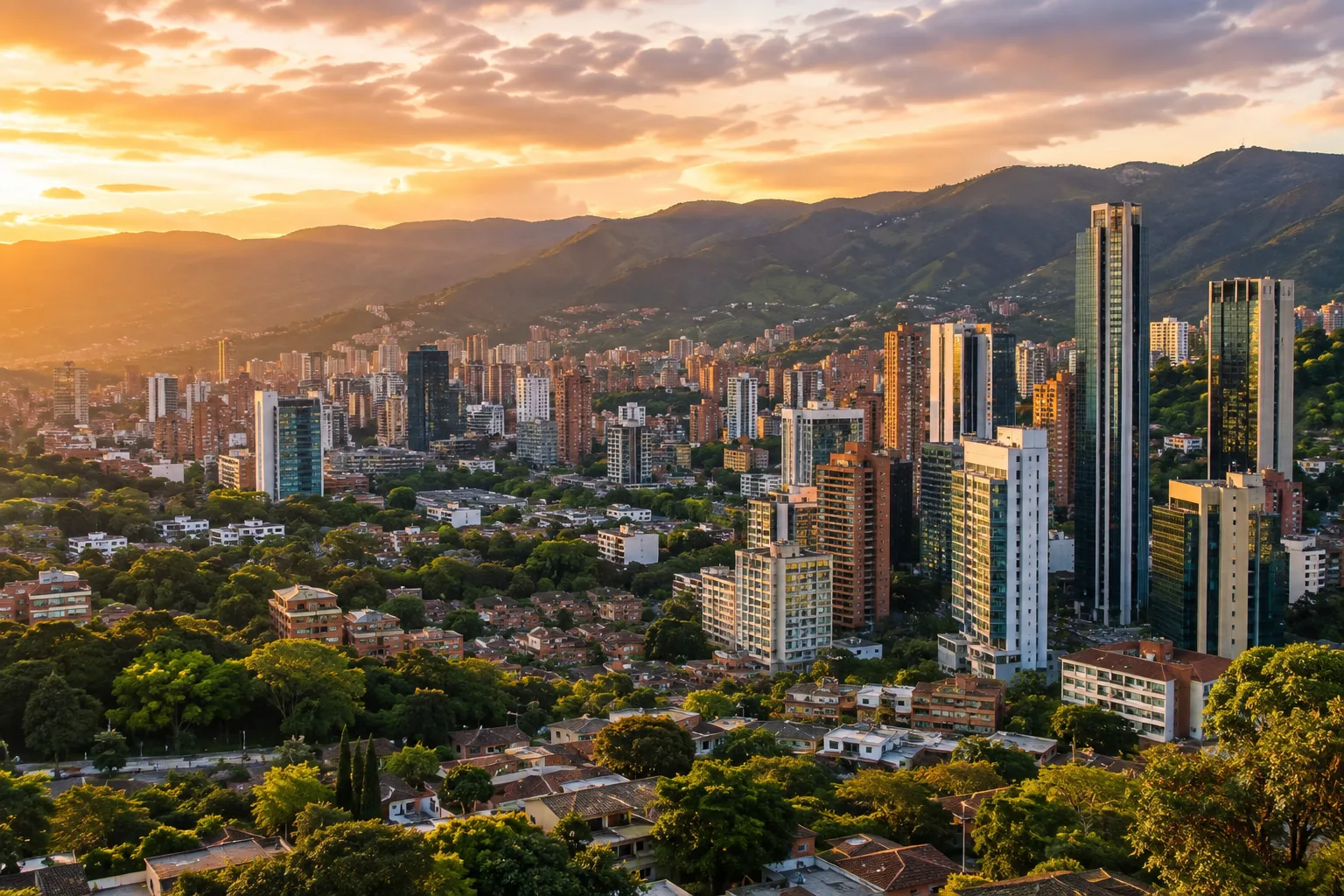
Medellín skyline at golden hour with green mountains behind El Poblado's towers

The hardest part is the first message. Send it anyway.

One WhatsApp text. No forms, no calls, no judgment. Just tell us what's going on and we'll take it from there.

Start the conversation